In 2023, more than 35% of French people over 60 have signed up for an activity or training outside of their professional framework. The Academy of Moral and Political Sciences has found that seniors engaged in educational programs have a better quality of life than their inactive peers. Yet, the offer of continuing education rarely specifically targets this audience and remains largely underutilized.
Partnerships between local authorities, universities, and associations are now multiplying tailored solutions, opening new perspectives for those who wish to invest in learning at any age.
Why continuous learning is increasingly appealing to seniors
Retirement does not signal the end of intellectual ambitions; quite the opposite. Many seniors, freed from professional constraints, reconnect with the joy of learning and seek to stimulate their curiosity. By focusing on their autonomy and well-being, they engage in new experiences that go beyond mere distraction. The numbers show it: staying active, both physically and cognitively or creatively, improves mental health and quality of life.
Here’s what regular activities concretely provide:
- Adapted physical activity supports autonomy and prevents loss of mobility.
- Cognitive exercises, memory games, reading, and writing maintain mental sharpness, concentration, and memory.
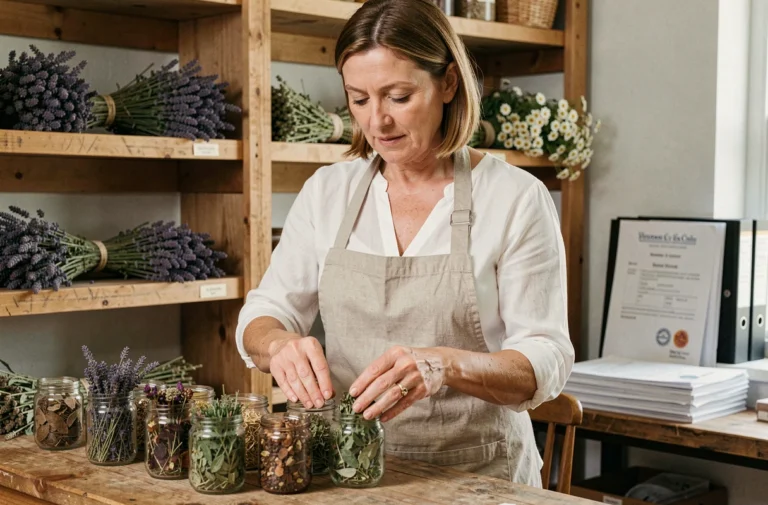
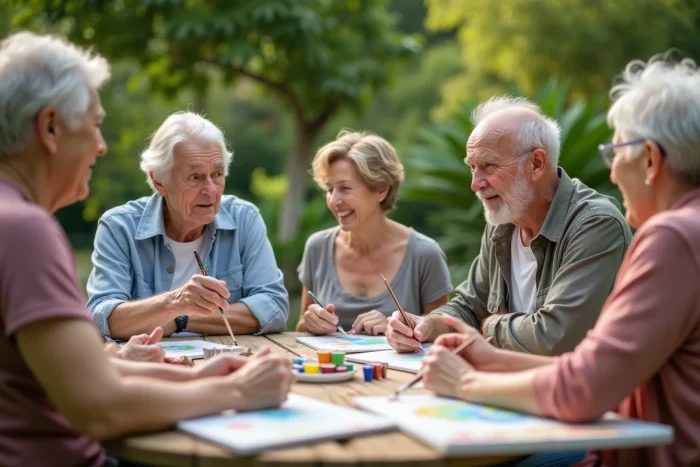
- Creative workshops, such as painting or gardening, encourage personal expression and the satisfaction of seeing projects take shape.
- Social activities, whether in groups or intergenerational, break isolation and strengthen lasting bonds, essential for feeling included.
These commitments are not just a simple pastime: they represent a source of recognition, utility, a lever to cultivate confidence and personal growth.
Through initiatives like Seniors Univers, this dynamic finds a platform for expression. The association offers workshops, online courses, or collective projects that promote learning at any age. This approach encourages the sharing of experiences and transmission, where each senior takes an active role in a collective. Retirement, far from being a pause, becomes an opportunity to dare, discover, transmit, and sometimes even reinvent oneself.
What training and activities are accessible to curious seniors today?
The landscape of training and activities dedicated to seniors is constantly expanding, reflecting the diversity of profiles and desires. Health prevention workshops focus on concrete and useful everyday topics: balanced diet, sleep management, balance exercises, memory stimulation. Thanks to these meetings, prevention becomes a shared reflex, reinforced by the pleasure of conviviality.
To illustrate this diversity, here are the main avenues to explore:
- Municipal senior clubs offer accessible physical activities: gentle gym, yoga, walking, all designed to accommodate different physical conditions and allow for continued autonomy.
- Creative workshops, such as painting, pottery, and gardening, invite discovery and creativity, always in a spirit of sharing.
- Meetings around writing, book clubs, or board games stimulate memory, sharpen reflection, and create new social connections.
- Volunteering and intergenerational projects open up engagement, transmission, and the feeling of participating in something larger.
The digital age does not exclude seniors; quite the opposite. Online courses, MOOCs, are accessible to all and allow for the acquisition of new skills, from computing to languages to general knowledge. Many seniors are discovering connected workshops, whether in nursing homes or at home via a tablet, to get initiated into the digital world, join virtual clubs, or simply explore new areas of interest. At home, DIY, blogging, or manual activities adapt to each person’s pace while maintaining a connection to the outside world. Learning knows no age boundaries; it is reinvented every day in the field and in daily life.

Integrating new knowledge into daily life easily: tips and feedback
Learning after 60 is not an exception. Often, it just takes initiating movement through small experiments to see confidence and the appetite for discovery grow. Whether it’s a memory workshop, a connected walk, or sharing memories via a blog or podcast, each format opens the door to transmission and curiosity.
For those hesitant to start, here are some concrete ideas to integrate learning into the routine:
- Invite creativity at home with activities like writing, cooking, DIY, or gardening, adapting them to one’s desires and pace.
- Discover digital hobbies via a tablet or computer to explore the world of MOOCs, participate in virtual clubs, or create online content.
- Experiment with collective workshops, either in person or remotely, to boost motivation and create social connections.
Municipal senior clubs, social centers, and intergenerational projects multiply opportunities for meeting and engagement. Through their testimonies, we observe that the variety and accessibility of activities encourage participation. The result: enhanced autonomy, maintained memory, new knowledge at hand, and a sense of belonging to a vibrant community.
Through initiatives and encounters, retirement is asserting itself as a time open to the future, where each day can be the starting point for new learning or an unexpected collective adventure.