
In France, more than one third of people aged over 75 live alone, according to Insee. However, 80% of them wish to stay at home as long as possible despite the increasing difficulties related to age.
Public and private initiatives are emerging to meet this demand, with varying results depending on the regions. Regional disparities, lack of awareness of existing aids, and the complexity of procedures still hinder access to the solutions that are available.
Aging in France: what challenges for the daily lives of seniors?
The aging of the French population disrupts our benchmarks and profoundly questions our social model. The increased life expectancy imposes new, sometimes harsh, challenges for millions of elderly people. Loss of autonomy, social isolation, and the fragility of well-being: seniors face these realities with a tenacity that is often invisible. As soon as mobility becomes uncertain, the urban environment turns into an obstacle course. Often discreetly, issues of mental health, difficulties with nutrition, or incontinence undermine daily confidence.
A satisfactory existence depends on a solid network: material resources, social life, and access to concrete aids make all the difference. But isolation, once it settles in, gradually erodes both physical and mental health. Families, sometimes distant or scattered, cannot always play a supportive role. As for professionals, they intervene in response to emergencies, rarely in anticipation.
To grasp the reality of the lifestyle of seniors, let’s take a close look at situations of loss of autonomy: difficulties in performing daily tasks, declining mobility, feelings of insecurity in public places. Social life deteriorates, and access to information becomes complicated. Yet, reliable resources exist: visiting the O Senior website provides access to concrete and updated tools to navigate, anticipate, and better manage the transitions related to aging.
This overview reminds us that aging is not an individual challenge, but a collective one: ensuring the autonomy and quality of life of seniors also means questioning the place given to the elderly in society.
Concrete solutions to preserve autonomy and social connections
When loss of autonomy creeps in, the first response is to readjust the living environment. Home modifications become a priority: installation of grab bars, motorization of roller shutters, rethinking the bathroom to limit risks. These adaptations significantly reduce the dangers of falling, facilitate staying at home, and make every action safer. Home automation has also made its entrance: fall detectors, voice assistance systems… These now accessible tools enhance safety and lighten the mental load.
Preserving autonomy also involves movement and exchange. Adapted physical activity, memory workshops, or moments of collective board games stimulate both the mind and the heart. Intergenerational activities create connections, while cooking workshops and computer workshops open the door to new skills, while promoting food and digital autonomy.
Here are some services and initiatives that concretely facilitate daily life:
- Meal delivery: to receive balanced meals at home without worrying about organization.
- Home assistance: support in daily tasks, tailored to individual needs.
- Teleassistance: to stay connected to a team of professionals in case of difficulty or risky situations.
For seniors wishing to maintain an active social life, autonomy residences and housing facilities offer a reassuring and friendly environment, halfway between independence and support. Adapted vacations or locally organized activities also help break solitude and open new perspectives.
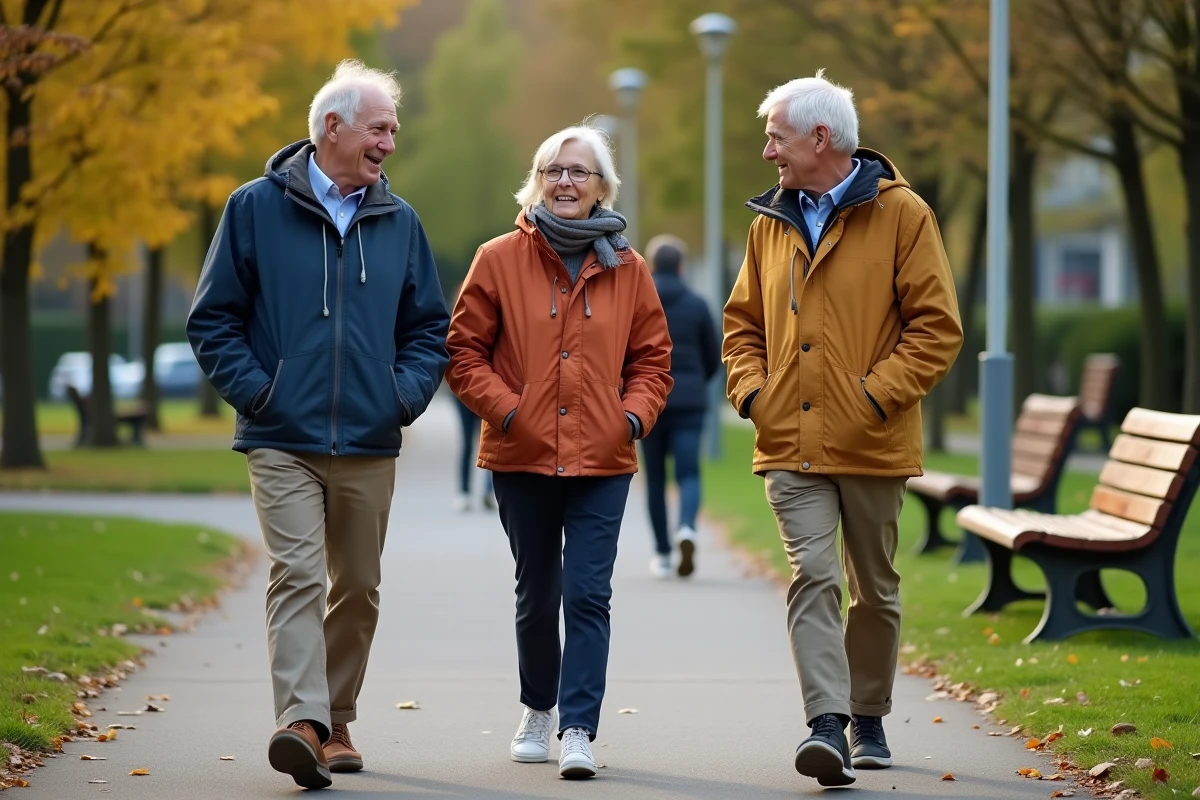
What aids and resources to support each situation?
In the face of diverse situations, the field of aids for seniors has expanded. The departmental council remains the entry point for the personalized autonomy allowance (APA), which covers part of the costs related to loss of autonomy. To remain in a chosen home, APL and ALS provide a valuable boost, whether for rental or autonomy housing.
Support is not limited to financial aspects. Home help and support services intervene for cleaning, shopping, personal care, or meal preparation. Home nursing services and multifunctional home care services prevent many hospitalizations while relieving family caregivers. The CCAS and CLIC are there to guide, advise, and build a personalized action plan tailored to each journey.
To better navigate, several resources and contacts can be consulted:
- Information platforms: they gather practical advice and contact details of local associations.
- Health professionals: occupational therapists, physiotherapists, and general practitioners are key players in the senior journey.
- Emergency numbers: 15 (SAMU), 18 (firefighters), 17 (police), 112 (European emergency).
The presence of families and loved ones, often referred to as caregivers, complements this network. Their involvement, often discreet, plays a crucial role in maintaining quality of life and access to useful resources.
Lengthening life is good. Filling it, enriching it, making it dignified and connected is even better. In the face of the challenge of aging, every concrete solution becomes a silent victory, every support a promise of better days. The challenge remains to transform these individual victories into a collective movement.