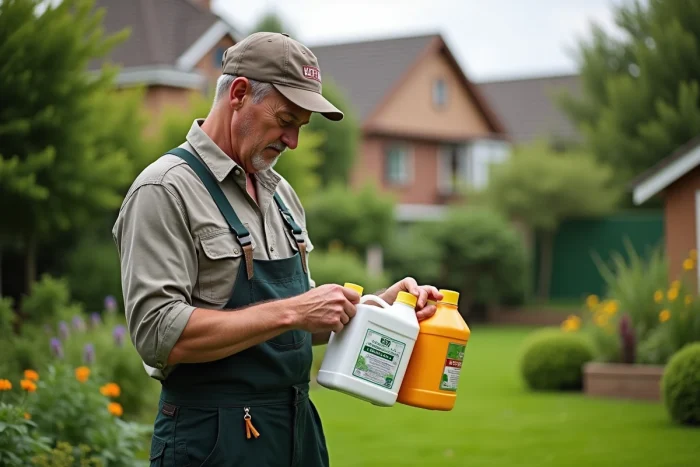
Regulations can vary greatly depending on the chosen molecule, even for similar treatments. A herbicide approved in one region may be banned just a few kilometers away, even though its toxic effects are hardly different from its competitors. As for the degradation speed in the soil, it does not always follow the presumed logic of chemical families.
Controlling spontaneous flora, whether in agriculture, forests, or urban areas, requires juggling efficiency, selectivity, and respect for ecosystems. One does not treat or apply a product in the same way everywhere: each substance demands specific usage strategies, dictated both by its inherent nature and by the rules in force at the local level.
Glyphosate and triclopyr: understanding their modes of action, uses, and specificities
Glyphosate and triclopyr illustrate two philosophies of chemical weeding. On one side, glyphosate, a true plant bulldozer: a non-selective herbicide, it eliminates both grasses and broadleaf plants indiscriminately, infiltrating through the leaf to annihilate the roots. Its systemic diffusion causes complete destruction of the plant.
On the opposite side, triclopyr shows discernment. This selective herbicide primarily targets broadleaf plants and woody species. It focuses on the growth of young tissues, leaving the majority of grasses and lawns unharmed. This profile makes it the preferred choice for lawns, parks, meadows, or for managing brush without sacrificing grass.
If we look at the glyphosate vs triclopyr comparison, the separation is also marked by uses: glyphosate for total clearance, triclopyr for targeting and preservation. The application methods differ: spraying over the entire foliage for glyphosate, precise targeting or stump treatment for triclopyr. It is these modalities that guide the choice, depending on the present vegetation, the need to protect certain species, or to eradicate problematic woody plants.
Understanding these modes of action is key to acting effectively: total renovation of a space, fighting against brambles, selective maintenance of a lawn, or managing a fallow area, each situation calls for its solution. Knowing the strengths and limitations of each molecule helps avoid the systematic use of one or the other and adapt the response to the needs of the terrain.
What advantages, limitations, and environmental impacts distinguish these two herbicides?
Glyphosate is appealing due to its ability to eliminate a wide range of plants, but this lack of selectivity raises questions. Its widespread use has opened the door to passionate debates about health and the preservation of biodiversity. Several studies point to its persistence in the soil, its effects on underground life, and depending on the context, its impact on aquatic fauna in the event of runoff. Restrictions are intensifying: some municipalities ban it, while others strictly regulate its application period.
In contrast, triclopyr plays the selectivity card. It primarily targets woody or broadleaf plants, preserving grasses and limiting damage to lawns. However, its effectiveness wanes when tackling other species. Its presence in the environment lasts for a shorter duration than that of glyphosate, but it can, in cases of abuse or repeated treatments, disrupt the microfauna and flora of the soil. Its use is strictly regulated, especially near water bodies or during flowering.
Here’s a summary point to better understand their specificities:
- Environmental impacts: glyphosate is distinguished by its long persistence and potential for water contamination; triclopyr, more targeted, has reduced persistence but can affect certain non-target organisms.
- Advantages: glyphosate allows for a global action on weeds, while triclopyr protects lawns and promotes selective interventions.
- Limitations: glyphosate faces restrictions and remains at the heart of many health controversies; triclopyr, on the other hand, acts on a narrower spectrum and requires precise application.
The choice of a herbicide therefore goes beyond the simple question of effectiveness. It involves reflection on long-term consequences, legal constraints, and the preservation of natural environments. Each terrain imposes its strategy, depending on the existing vegetation and the sensitivity of the site.
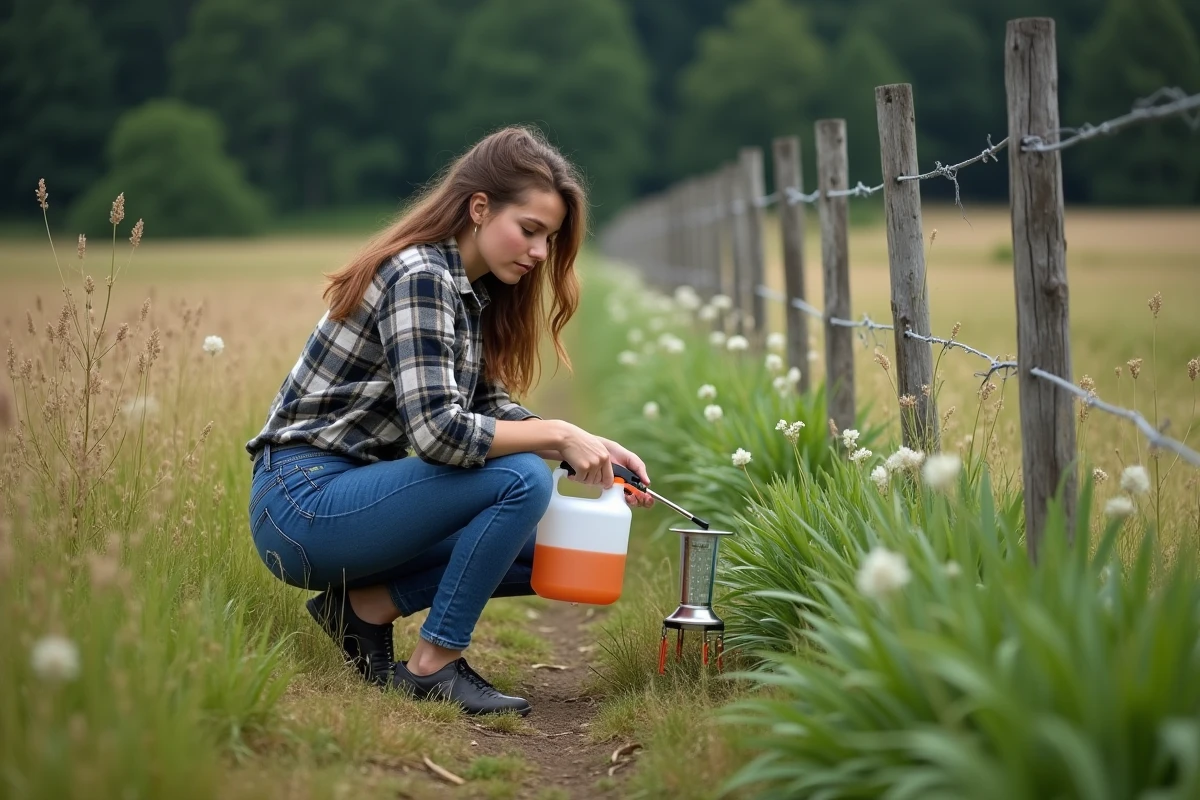
Choosing the right herbicide: practical criteria and recommendations based on your needs
Choosing between glyphosate or triclopyr requires closely observing the nature of the soil, the species to be eliminated, and the site constraints. These products meet very different needs. Start by identifying the flora in your garden: the dominant presence of grasses or, conversely, woody plants will immediately guide your choice.
Here are some concrete guidelines to adapt your strategy:
- To renovate a lawn or preserve grasses, triclopyr targets unwanted broadleaf plants while sparing the herbaceous carpet. It is a valuable ally for maintaining lawns and green spaces where selectivity is sought.
- For a global action on all plants, glyphosate, as a non-selective herbicide, is essential for tackling vegetation on gravel surfaces, paths, or fallow land. Its potency, however, requires strict adherence to application guidelines.
Practices are diversifying. Many are now betting on manual weeding or mulching, and there is growing interest in natural herbicides or biocontrol solutions. Regulations are tightening, limiting certain uses or imposing safety distances, especially near water bodies. Adopt a reasoned use, tailored to each situation and the present flora. Regularly monitoring vegetation and alternating methods helps curb the emergence of resistance and preserve soil vitality over time.
At the crossroads of chemical and alternative choices, the landscape of weeding is evolving. It remains for each to find the balance between efficiency, respect for living beings, and regulatory constraints, for tomorrow, the soil will remember what we decided today.