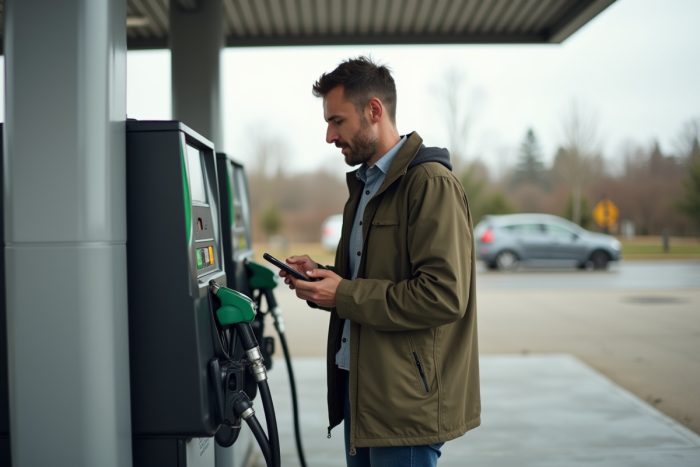
The numbers have never lied: nearly 40% of electric drivers find themselves, at least once, in front of a charging station that refuses their card. In 2024, the puzzle of payment at the station does not disappear; it changes its face. Between mandatory apps, capricious QR codes, and sometimes unreliable payment terminals, charging without a card remains a variable experience for many drivers.
Fortunately, other doors are opening. Networks and operators are gradually rolling out alternatives, each with its own little habits, limitations, and promises. The arrival of these solutions is changing the daily lives of electric vehicle users, but their adoption remains uneven, and compatibility with all models is not guaranteed.
Can you really charge your electric car without a card or badge? Overview of available solutions
Charging your electric car without a badge or credit card is possible… but not everywhere, not always, and rarely without a minimum of preparation. While contactless payment is making a noticeable breakthrough on some networks, it is far from being the norm. Some gas stations proudly display their state-of-the-art payment terminal, while others stick to more artisanal devices: a touchscreen to manipulate, a QR code to scan, or even a number to call. It’s hard to see clearly: each operator has its own method, and the driver must navigate a true patchwork of practices.
The promise of frictionless charging quickly collides with reality: network fragmentation, operators prioritizing their own mobile app (with registration and entry of banking details required), variable activation delays. Some networks still offer old-fashioned paper tickets or accept payment by SMS, while, more rarely, there exists a gas station that accepts checks, a curiosity for those who prefer a pen to a card.
Faced with this lack of uniformity, savvy drivers are multiplying their checks: collaborative forums, specialized apps, everything is good to identify the charging stations that play along with cardless charging. Anticipating one’s route, mapping compatible access points for their vehicle, and getting informed about the payment methods offered is the reflex to adopt. However, things are changing under the increasing pressure from users and European regulations pushing for a widespread opening of services across all operators.

Mobile apps, contactless payment, and other alternatives: a guide for simplified and secure charging
Electric charging is gradually detaching itself from the constraint of a badge or credit card. Several options are emerging, transforming the experience at public networks as well as at the local gas station.
Contactless payment: the direct route
Now, at more and more charging stations, all you need to do is bring your credit card or phone close to trigger the charging. This payment method, praised for its speed, reduces waiting times and simplifies life for drivers. No code to enter, no badge to search for, just a gesture and the charging begins.
Mobile apps: the everyday interface
The mobile app has become established on many networks: once registration is complete, the user selects the charging station, enters the amount, confirms… and the session begins. Operators are enriching these apps with features: consumption tracking, geolocation of charging points, single billing for all trips.
Here are some alternatives that facilitate on-site payment:
- QR code payment, quick and intuitive: scan the code displayed on the station, and payment is completed in seconds.
- SMS payment, interesting for occasional use or emergencies.
The Mobility Orientation Law openly encourages the diversification of these solutions, with a clear goal: to guarantee everyone direct and effective access to charging, without relying on a proprietary badge or dedicated card.
The path is being drawn as advancements are made: tomorrow, cardless charging could well become the rule, not the exception. Until then, the savvy driver always keeps a backup plan handy.