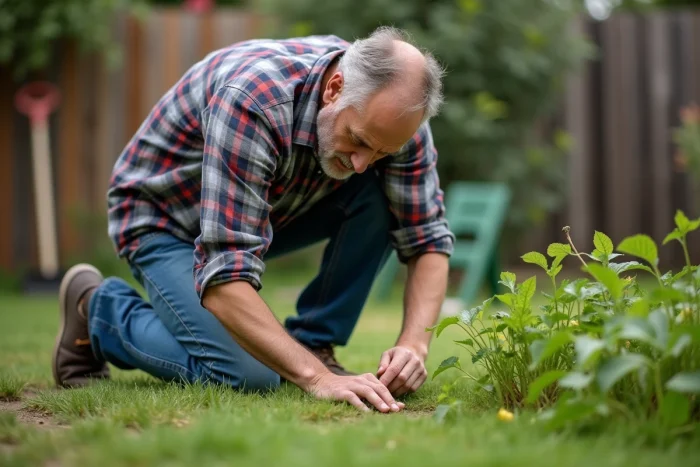
Coolant, designed for engines, is sometimes misused as a herbicide, despite its proven toxicity to plants and soil. The use of automotive products, such as antifreeze or AdBlue, in the garden is based on old practices that are tolerated or ignored but are prohibited by environmental regulations. The impact of these substances goes beyond just affecting weeds: it leads to lasting pollution of groundwater, harm to local biodiversity, and health risks. In light of the persistence of these practices, natural alternatives are emerging, driven by the search for a reasoned maintenance of green spaces.
Why do some automotive products end up on our lawns?
Pouring the remnants of a can at the foot of a hedge or along a path is not unusual in some gardens. At first use, the result is astonishing: the weeds disappear, and the soil seems frozen. But behind this rapid disappearance, desolation creeps in. Earthworms quickly flee, microfauna vanishes, and the soil becomes lifeless, unable to nourish anything.
Since the implementation of the Labbé law in 2019, these methods belong to another era. Yet, these practices continue to be encountered, under the pretext of saving time or eradicating “weeds” for good. What is quickly forgotten is that the ethylene glycol in coolant seeps into the soil, permanently polluting groundwater and indiscriminately destroying everything that lives beneath the surface.
It is important to emphasize: no automotive liquid should ever be poured onto a plot but should be taken to specialized collection channels. Otherwise, the entire garden gradually transforms into a dead zone, deserted by the most resilient wildlife.
Coolant and weeding: what effects on vegetation and the environment?
In trying to eliminate a few unwanted clumps, one ends up with a bloodless soil, incapable of regenerating. The grass burns, the flower beds lose their color, the soil becomes hard and sterile. And after even the slightest rain, toxins seep in, reaching neighboring lands or deeper layers, leaving a discreet yet persistent pollution.
To better understand the consequences, here is what we observe after applying these garage-derived herbicides:
- Vegetation ceases all growth: no grass, no flowers, no new shoots manage to emerge.
- The soil impoverishes, its structure degrades, porosity disappears, and the earth becomes impermeable, compact, and dry.
- Biodiversity declines: insects, earthworms, and microorganisms evaporate, and the environment rapidly impoverishes.
Do you want to delve deeper into the subject and measure the exact impact of this type of weeding? A comprehensive file dedicated to the effect of herbicidal coolant provides a clear overview of the risks, as well as suggestions for attempting to revive a damaged plot.
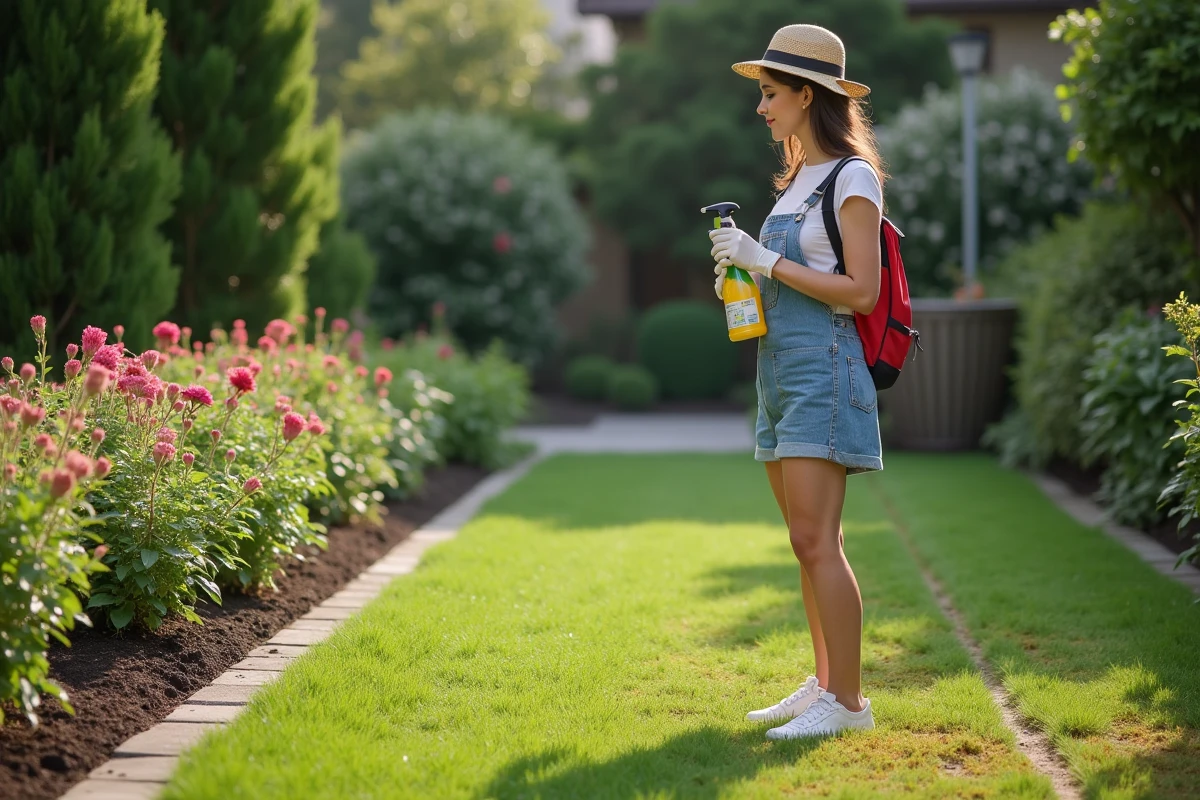
Natural and responsible alternatives for a chemical-free garden
Turning away from chemical products to manage unwanted weeds is choosing a living soil, capable of hosting a thriving biodiversity season after season. Savvy gardeners now stick to regular, patient, and thoughtful solutions that are much more respectful of soil balance.
To manage vegetation without polluting your environment, several concrete and tested approaches are available to you:
- White vinegar, applied occasionally, weakens invasive weeds while preserving soil life if one remains vigilant.
- Baking soda, spread between slabs or paving stones, limits regrowth where manual weeding is tedious.
- A thermal weeder, which cauterizes the roots of weeds and protects non-target organisms.
Installing mulch under plantings not only offers the soil protection from light but also provides a regular source of organic matter. And by sowing green manures like phacelia, mustard, or vetch, one gradually smothers troublesome weeds while revitalizing the soil. For stubborn residues, a weeding knife or the traditional hoe will tackle the last pockets of resistance. Ultimately, weeding takes on a new face: slower, more thoughtful, committed to preserving the richness of life. And the garden breathes, strengthened by this regained vitality, far from any trace of poison.